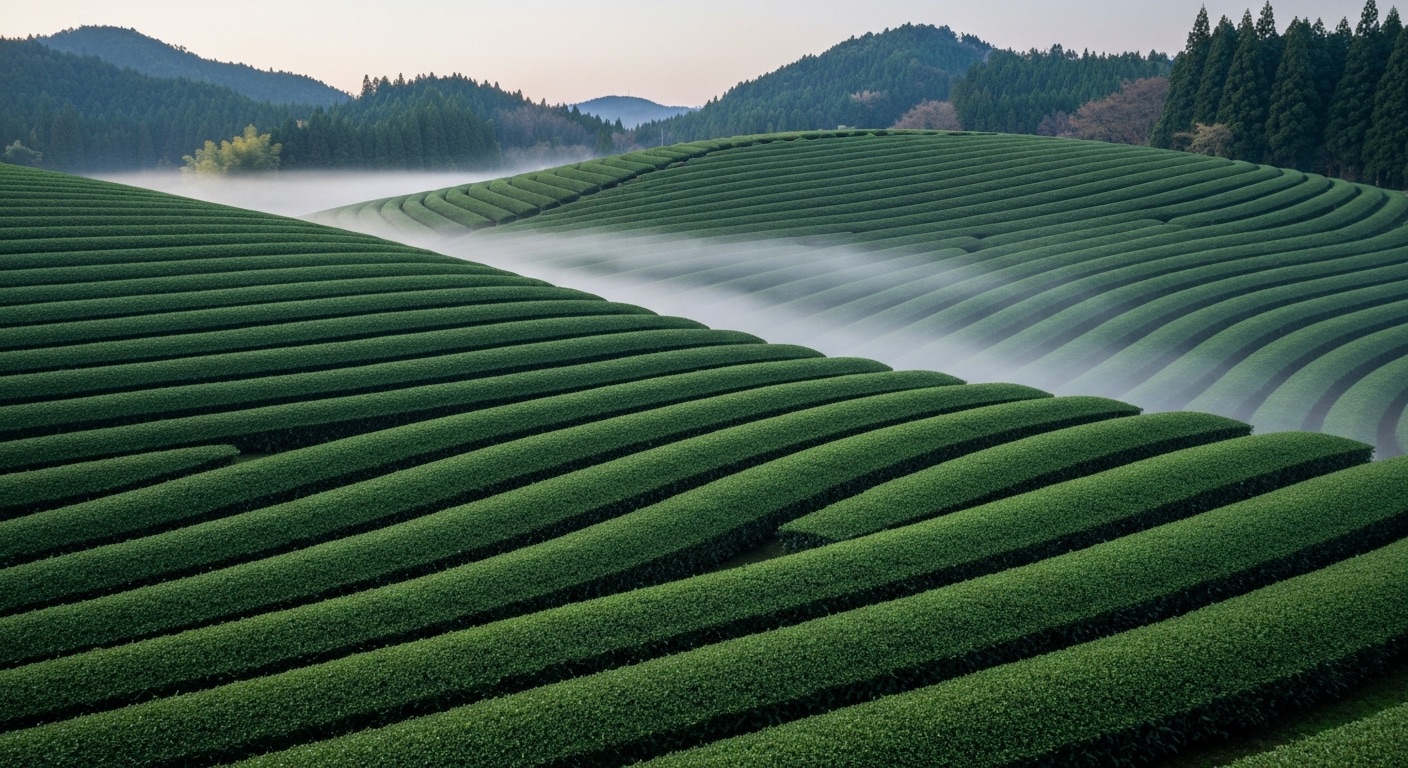
Japanese Sparkling Green Tea
Brewed green tea,
then carbonated.
Poured tableside like wine. Made for hotel drinks lists rather than the soft drinks aisle.
The product
What sparkling green tea is
Sparkling green tea is brewed tea, chilled and carbonated, rather than a flavoured soft drink built on syrup and concentrate. The carbonation carries the aroma and gives the tea a texture still tea does not have.
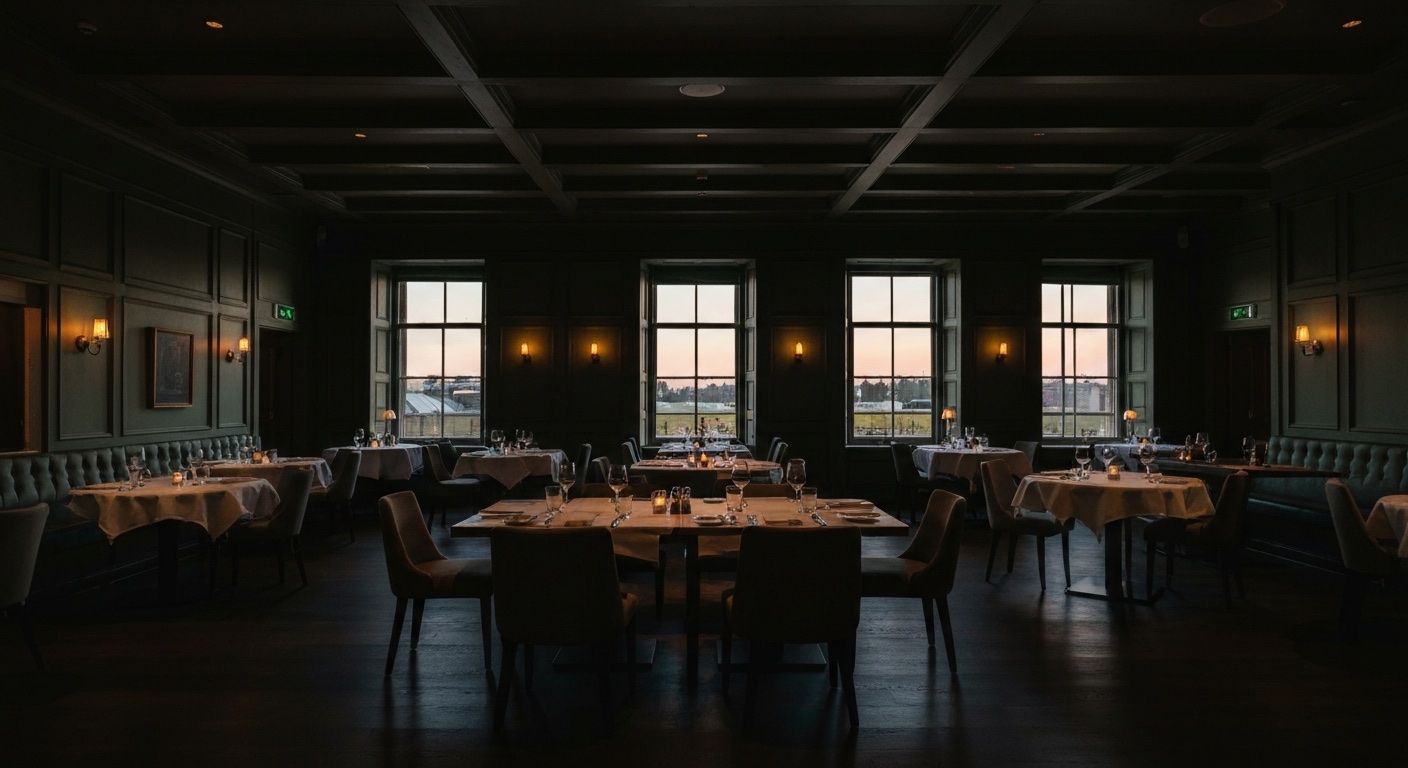
At a hotel table it sits between wine and water. It pours tableside the way wine does, it holds up alongside food, and it gives a guest who is not drinking alcohol something better than a compromise.
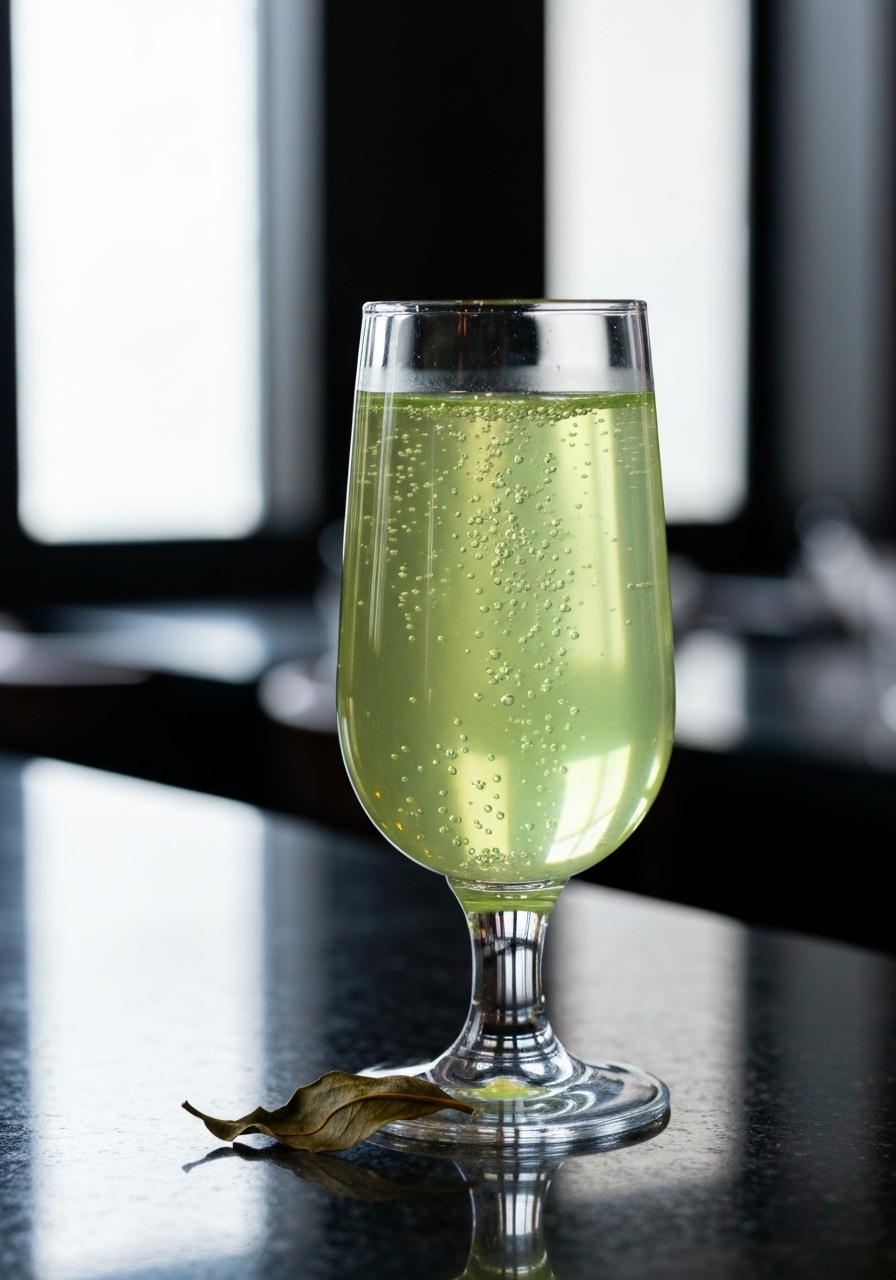
Shown in a plain glass. Real product photography comes from Ken. Nothing here invents a bottle.
The process
How it is made, extraction to bottle
Six stages, from leaf to sealed bottle. What each stage decides, and why it shows up in the glass.
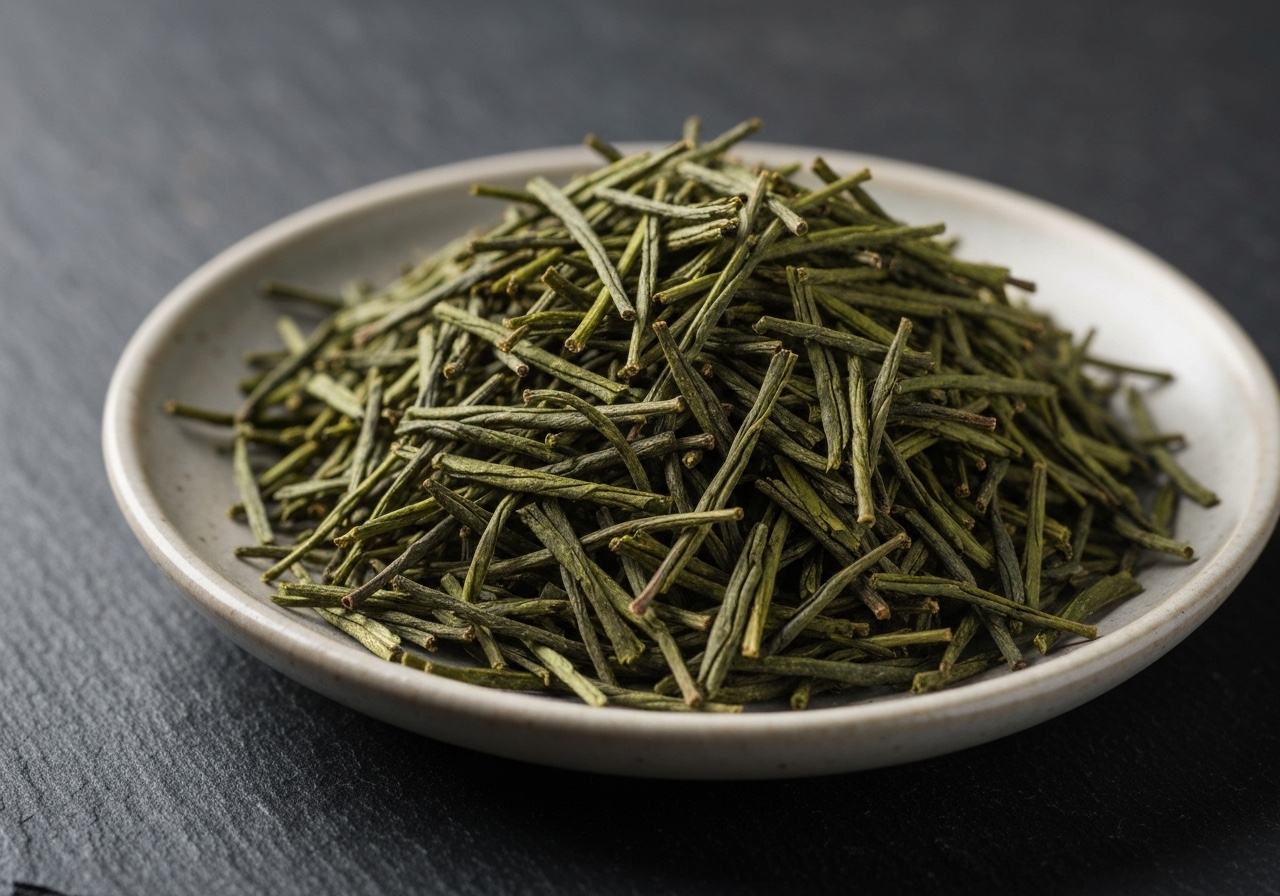
Leaf selection and harvest
Grade and cultivar set the ceiling for everything after this point. Nothing further down the line recovers a mediocre leaf.
Shading or first flush handling
Shading the bushes before picking pushes the leaf towards sweetness and away from astringency. That decision is made weeks before anything is brewed.
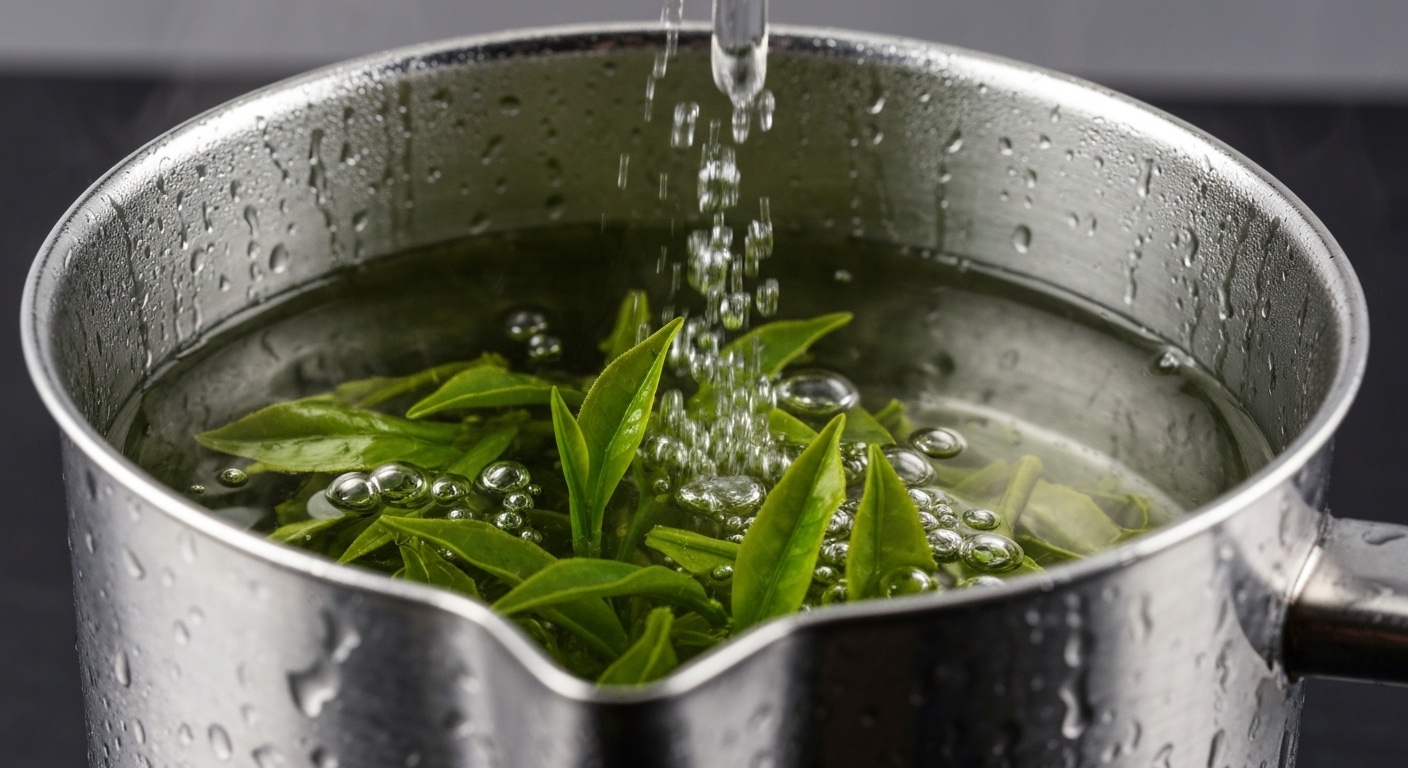
Cold extraction
Cold water draws out sweetness and body while leaving most of the harsh tannin in the leaf. It is slow: a cold extraction runs for hours, where a hot one is finished in minutes.
Filtration and clarity
The brew is clarified so it pours bright rather than hazy. Clarity counts for more here than in a still tea, because carbonation makes any sediment obvious in the glass.
Carbonation
The tea is chilled, then carbonated. Bead size and gas volume are what decide whether it reads as a soft drink or as something that belongs next to a wine list.
Bottling and stabilising
There is a real fork in the road here. A carbonated drink cannot be hot filled, so it is either tunnel pasteurised inside the sealed bottle or filled cold under aseptic conditions. Which route is used sets the shelf life.

Quality
What we control for
Consistency
A hotel account is won on repeatability. The bottle opened in March has to taste like the one opened in September, which is a question of tolerances rather than of recipe.
Sugar
Sweetening decides where a drink sits on a menu. An unsweetened tea can be poured alongside food. A sweetened one ends up competing with dessert.
Water
Water is most of what ends up in the bottle, so how it is sourced and treated shows up in the glass more plainly than any other single input.
Testing and cold chain
Bottled green tea browns and loses aroma when it is stored warm or in the light. How it is tested and how it travels count for as much as how it was brewed.

Where it is served
Supplied to five-star hotels and premium venues
Individual venue names are kept private.
For hotels
Where it fits inside a hotel
Dinner pairing
Served as a non-alcoholic pairing alongside a tasting menu or an a la carte dinner.
Welcome drink
Poured as a welcome drink at check-in, in place of the usual juice or water.
Minibar and room service
Stocked in the minibar and offered through room service.
Case sizes, lead times and minimum orders are quoted per venue. Samples available on request.
Enquire
Talk to us about your venue
Wholesale, retail and sample requests all start here. We will follow up by email.